Rectangular Column Formwork: Round vs Rectangular Column Box
Choosing the right rectangular column formwork or circular column formwork is an important part of planning concrete construction. The required column shape, dimensions, structural drawings and site conditions all influence the type of formwork needed for a project.
Column boxes are used to hold freshly placed concrete in the required shape while it sets. Depending on the building design, contractors may need circular, square or rectangular column formwork.
In this guide, we explain the differences between round and rectangular column boxes, their common applications and the important factors to consider before selecting a formwork system.
For product information, you can also explore the Column Box product page by AMCO Exports.
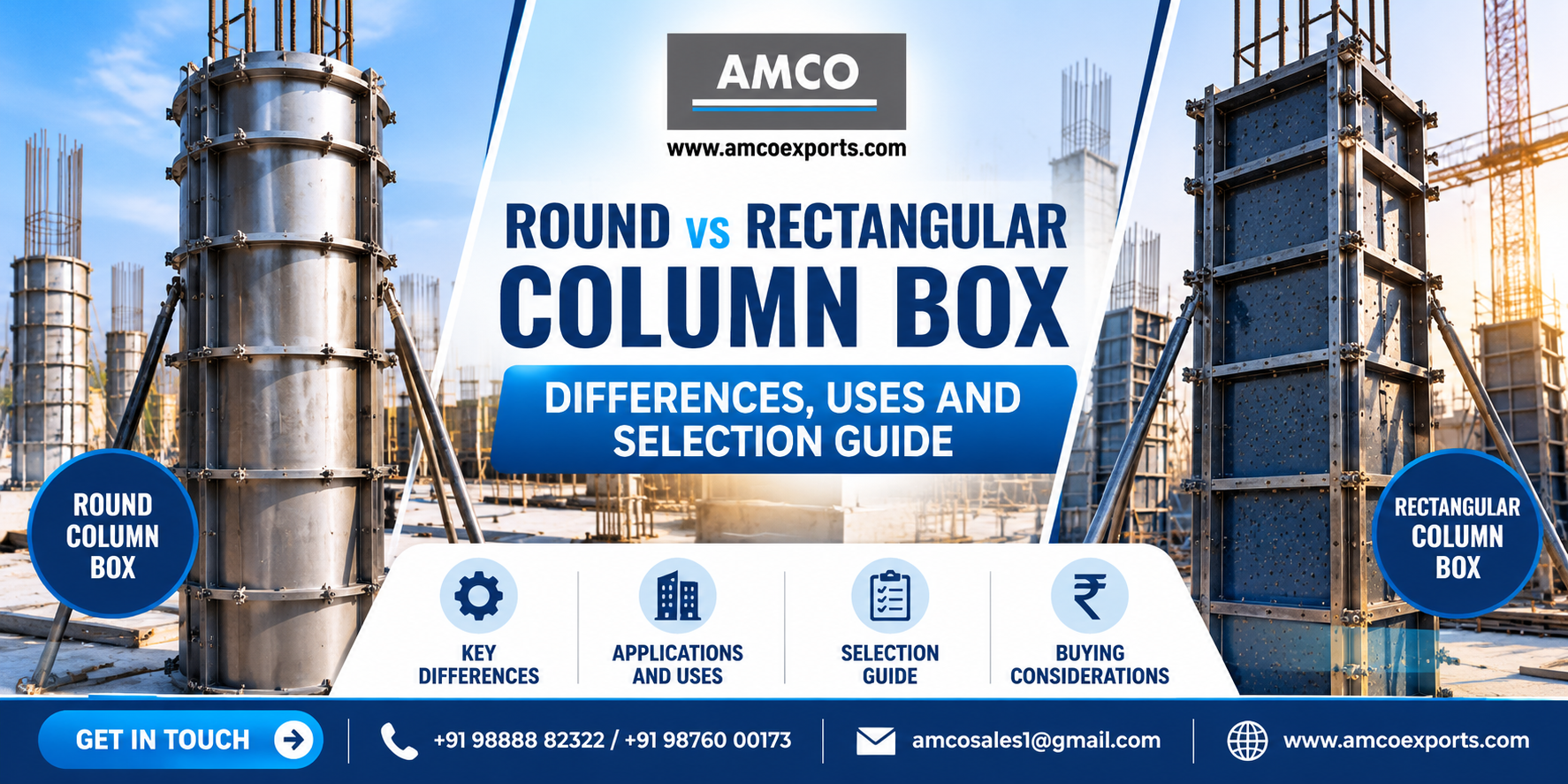
Round and rectangular column box formwork compared for construction applications.
1. What Is a Column Box in Construction?
A column box is a formwork arrangement used to contain freshly poured concrete and create a column of the required shape and dimensions. It holds the concrete in position during placement and until it gains sufficient strength to retain its shape after the formwork is removed.
Column formwork may be designed for different shapes, including:
- Round or circular columns
- Square columns
- Rectangular columns
The correct arrangement should be selected according to the approved structural drawings, dimensions and project specifications.
2. What Is Round Column Formwork?
Round column formwork is used to create circular concrete columns. It is suitable for construction projects where the architectural or structural design specifies a round column profile.
These columns may be used in building entrances, architectural structures, commercial developments and other projects where a circular column shape is required.
The formwork must be suitable for the specified diameter, concrete placement requirements and expected concrete pressure. Its supports and connections should be checked as part of the project formwork design.
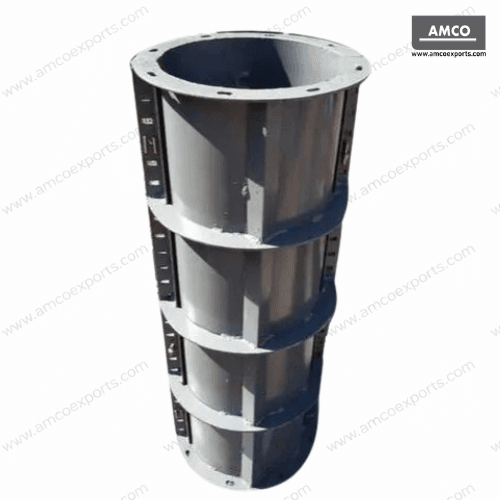
Circular steel column formwork for round concrete columns.
3. What Is Rectangular Column Formwork?
Rectangular column formwork is used to create rectangular or square concrete columns. It is selected when the approved project drawings specify straight-sided column shapes with defined width and depth dimensions.
This type of formwork is commonly considered for building frames, commercial structures, industrial facilities and other concrete construction projects.
Before selecting rectangular column formwork, contractors should confirm the column dimensions, panel arrangement, connections and support requirements. The complete formwork arrangement must be suitable for the planned concrete placement.
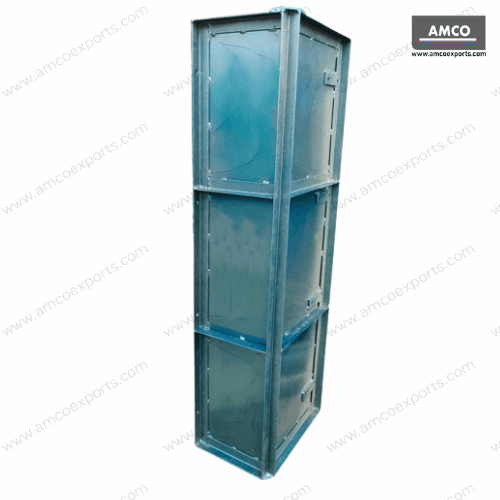
Rectangular column box formwork for construction projects.
4. Round vs Rectangular Column Box: Key Differences
Both systems are used for concrete column construction, but their applications and configurations differ according to the required column shape.
| Comparison | Round Column Box | Rectangular Column Box |
|---|---|---|
| Column shape | Circular | Rectangular or square |
| Typical application | Projects requiring round columns | Projects requiring square or rectangular columns |
| Main dimensional requirement | Specified diameter | Specified width and depth |
| Formwork configuration | Circular arrangement | Panel-based arrangement |
| Selection basis | Approved drawings and project requirements | Approved drawings and project requirements |
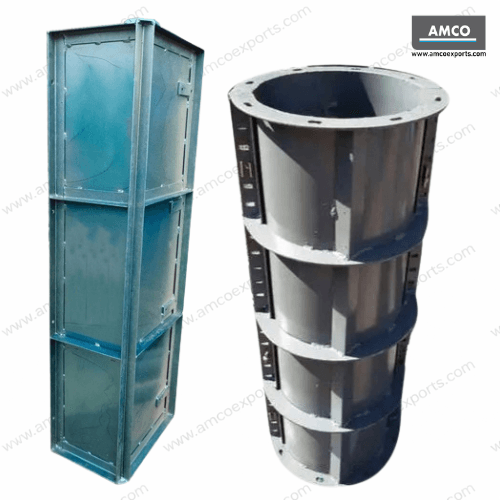
Comparison of circular and rectangular column formwork arrangements.
5. How to Choose the Right Column Formwork
Selecting column formwork requires more than identifying whether a column is round or rectangular. Contractors should review the complete project requirements before finalising the system.
Check the structural drawings
Start with the approved structural and architectural drawings. Confirm the column shape, dimensions, position and any project-specific requirements.
Confirm the required dimensions
For circular columns, check the specified diameter. For rectangular columns, confirm the width and depth. The formwork dimensions should match the approved drawings.
Review concrete placement requirements
Consider the concrete placement method, pour height and expected concrete pressure. These factors are important when reviewing the formwork design and support arrangement.
Check connections and supports
Panel connections, bracing, supports and other components should be appropriate for the selected formwork arrangement and project conditions.
Review site conditions
Available working space, access, handling arrangements and the construction sequence can also influence formwork planning.
6. Factors That Affect Column Box Cost
The cost of a column box can vary depending on its design and manufacturing requirements. Some important factors include:
- Required column shape and dimensions
- Steel material specifications
- Sheet and plate thickness
- Fabrication and connection details
- Surface finish and coating requirements
- Order quantity
- Packaging and transportation requirements
- Customisation based on project drawings
For an accurate quotation, buyers should share the required dimensions, technical drawings, quantity and delivery location with the supplier.
7. Common Mistakes to Avoid When Selecting Column Formwork
- Selecting a formwork system without checking the approved drawings.
- Confusing column dimensions with formwork dimensions.
- Ignoring concrete pressure and support requirements.
- Overlooking panel connections and bracing arrangements.
- Not confirming fabrication specifications before placing an order.
- Choosing equipment based only on price without reviewing technical suitability.
Proper planning and technical verification help contractors coordinate formwork requirements more effectively.
8. Frequently Asked Questions
What is a column box used for?
A column box is used as formwork to contain freshly placed concrete and shape it into the required column dimensions while it sets.
What is the difference between a round and rectangular column box?
A round column box creates circular concrete columns, while a rectangular column box creates square or rectangular concrete columns. The selection depends on the approved project drawings.
Where is circular column formwork used?
Circular column formwork is used in projects where the structural or architectural design requires round concrete columns.
Where is rectangular column formwork used?
Rectangular column formwork is used where the project drawings specify square or rectangular concrete columns, such as in building and industrial construction.
How do I select the right column box?
Review the approved drawings, column shape, dimensions, concrete placement requirements, formwork design and support arrangements before selecting a system.
Can column boxes be made to custom dimensions?
Custom dimensions and fabrication details can be reviewed against customer-approved drawings and project requirements. Manufacturing feasibility should be confirmed before ordering.
9. Conclusion
Round and rectangular column boxes serve different concrete construction requirements. Round column formwork is used for circular columns, while rectangular column formwork is selected for square and rectangular columns.
The right choice depends on the approved drawings, required dimensions, concrete placement conditions and formwork design. Contractors should verify technical specifications and support arrangements before starting work.
For more information about column box requirements, visit the AMCO Exports Column Box product page.
You can also read the original detailed guide on the AMCO Exports website: Round vs Rectangular Column Box: Uses, Differences and Selection Guide.
Looking for Column Box Formwork?
AMCO Exports works with scaffolding and formwork requirements for construction projects. Share your technical drawings, required dimensions and quantity for a product enquiry.
AMCO Exports
Scaffolding & Formwork Manufacturer and Exporter
Jalandhar, Punjab, India
Phone: +91 98888 82322
Email: amcosales1@gmail.com
Website: www.amcoexports.com
For information about Indian standards, visit the Bureau of Indian Standards (BIS). Always follow applicable project specifications and approved engineering documents.


Comments
Post a Comment